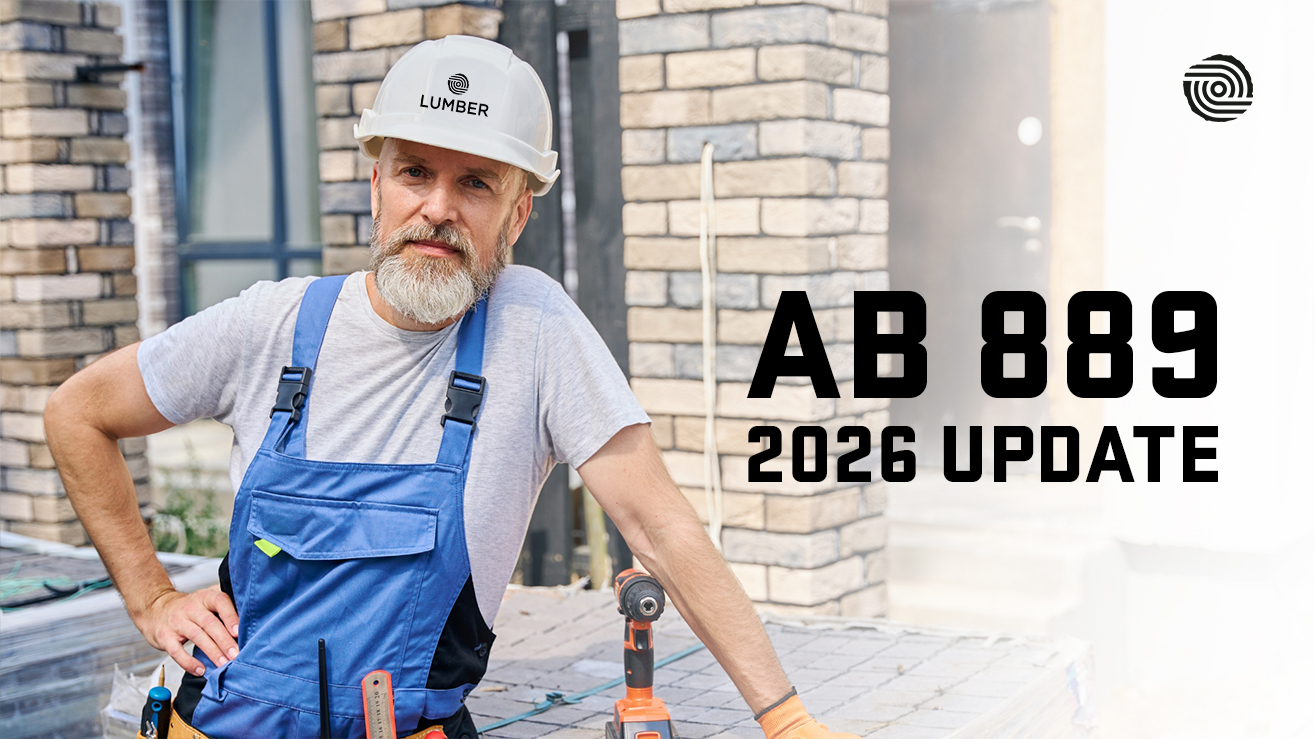
How to Celebrate Construction Safety Week in 2026


Construction Safety Week 2026 will be held from May 4 to 8, with the theme All In Together. Now in its 13th year, this annual event unites construction companies to reinforce a shared commitment to ensuring every worker returns home safely.
The 2026 theme focuses on three pillars: Recognize, Respond, and Respect. This unified approach addresses high-energy, high-hazard work, which leads to the industry's most serious injuries and fatalities. Although incident rates have declined over the past decade, construction fatality rates have remained high. Construction Safety Week 2026 introduces a five-year vision to transform safety culture across the industry.
This guide offers practical activities for your company during May 4 to 8,2026 and supports the development of lasting safety habits beyond the event.
Why Construction Safety Week Matters More Than Ever

Construction accounts for about 20% of all workplace fatalities, despite making up only 6% of the U.S. workforce. This persistent statistic highlights why the 2026 theme emphasizes both culture-building and the technical work of identifying and controlling life-threatening hazards.
Research from the Construction Safety Research Alliance shows that during standard pre-task plan briefings, workers identify only 45% of present hazards. Using structured tools such as the Energy Wheel model increases hazard recognition by 30%. This demonstrates that effective hazard discussions before work are as important as safety equipment on site.
Beyond the human imperative, investing in safety provides significant business benefits. Industry experts estimate that every dollar invested in safety programs saves companies $3 to $6 through reduced incidents, lower insurance premiums, fewer work stoppages, and improved project outcomes.
The 2026 Theme: All In Together — Recognize, Respond, Respect
Construction Safety Week 2026 introduces three technical pillars that offer a clear framework for addressing High Energy, High Hazard, and “STCKY” activities, which is industry shorthand for Stuff That Can Kill You.
Recognize focuses on building a common language and shared framework for identifying high-energy hazards early, before work begins. When every worker, from apprentice to project manager, can identify the same precursors to serious incidents, the entire team acts as a safety sensor.
Respond focuses on taking action once hazards are recognized. Identifying a hazard is only half the job. The 2026 campaign emphasizes applying the Hierarchy of Energy Controls to implement safeguards during planning, before crews arrive on site. Responding also means stopping work and reassessing when conditions change mid-task, which requires trust and psychological safety across the team.
Respect means fully acknowledging the dangers of high-energy work at every stage of a project. If something changes on site, teams stop, reassess, and replan. This is not a bureaucratic requirement; it is how the industry demonstrates care for the workers behind every hard hat.
As Adam Jelen, chair of Construction Safety Week 2026 and president and CEO of Gilbane Building, put it: “The most important thing we build every day is trust with our teams, our partners, and the families who count on their loved ones coming home safely.”
How to Celebrate Construction Safety Week 2026 at Your Company

1. Kick Off the Week with a Safety Plan Launch
Use Day 1 of Safety Week to formally present or update your company’s safety plan. This is not just a document review; it is a recommitment ceremony. Gather your teams, review the year’s safety priorities, introduce any new protocols aligned with the 2026 Recognize-Respond-Respect framework, and emphasize that everyone shares accountability.
Connect your kickoff directly to the STCKY framework. Identify the specific high-energy, high-hazard activities your crews encounter most and outline the plan for those situations. Naming site-specific hazards in front of the entire team is a powerful act of recognition.
2. Run Structured Hazard Recognition Exercises
One of the most effective actions during Safety Week 2026 is to put the Recognize pillar into practice with structured exercises. Use hands-on drills that mirror real conditions rather than classroom lectures.
Consider running a pre-task hazard identification exercise in an active work area before the day begins. Give crews five minutes to identify all high-energy hazards present. Compare lists and discuss what was missed and why. Teams that practice hazard spotting together improve significantly, and the 30% increase in recognition rates from using structured tools like the Energy Wheel is achievable for any crew willing to participate.
3. Host Business Meetings That Go Beyond the Basics
Safety Week is an opportunity to hold conversations that are often overlooked on busy job sites. Host team-level meetings where workers not only receive information but also contribute to it. Ask your crews directly: What moments during your work week feel most dangerous? What do you wish you had more time to plan for?
Invite external perspectives when possible. Compliance professionals, OSHA representatives, or safety consultants who work across multiple sites offer insights that internal teams may lack. The 2026 campaign also includes a three-part Technical Bulletin Series developed with input from safety experts and craft professionals. Sharing these bulletins in team meetings provides structured content to guide the conversation.
4. Organize Team-Building Activities Around Hazard Scenarios
High-performance safety teams develop by solving problems together, not just by attending presentations. Safety Week 2026 is an ideal time to run scenario-based team challenges where crews work through realistic hazardous situations in a controlled environment.
Ideas that work well:
- Hazard walk competitions: Teams compete to identify the most hazards in a staged work area
- Toolbox talk challenges: Rotate who leads the daily toolbox talk, and score each team on comprehensiveness and engagement
- Stop-Work simulations: Run drills where a supervisor intentionally introduces an unsafe condition mid-task and measures how quickly it’s caught and called out
These activities build the trust and communication patterns that make the Respond and Respect pillars operational rather than aspirational.
5. Use Gamification to Make Safety Stick Year-Round
One of the most effective ways to sustain safety culture beyond Safety Week is gamification. Lumber’s Safety Points System is designed for construction teams, awarding points to workers and crews for adopting and consistently practicing safety behaviors throughout the year.
The system rewards concrete actions that align directly with this year’s theme:
- Proactive hazard identification and reporting (Recognize)
- Participation in pre-task planning and stop-work procedures (Respond)
- Consistent PPE use and completed safety checklists (Respect)
- Perfect safety records over defined periods
- Intervening when unsafe practices are observed
Points are tracked via mobile devices and can be redeemed for recognition or rewards within your company. Organizations using gamified safety systems have reported up to a 60% increase in safety compliance and a 45% reduction in reportable incidents. Safety Week is the perfect moment to launch a gamification program — the week's energy creates natural momentum to carry it forward.
6. Promote Total Worker Health — Not Just Physical Safety
Construction Safety Week increasingly recognizes that protecting workers means supporting their physical, mental, and emotional well-being. This perspective is especially important in 2026 as the industry continues to address mental health challenges, an aging workforce, and the physical demands of field labor.
During Safety Week, consider:
- Hosting a brief wellness session on stress management or fatigue — both are significant contributors to on-site incidents.
- Making mental health resources visible and accessible on your job sites.
- Acknowledging that workers who feel supported personally perform more safely professionally.
A workforce that trusts its employer cares about their overall health, will bring that same care to the job site every day.
7. Cross-Company Safety Exchanges
The All In Together headline is not just a slogan; it is an invitation to collaborate across company lines. Leading firms have begun hosting safety exchange visits during Safety Week, where safety professionals visit peer companies’ job sites to observe, share, and learn.
If your company has a strong safety program in one area (say, fall protection planning or hazard recognition training), consider reaching out to a partner firm or subcontractor to share it. If there’s an area where you struggle, asking for an outside perspective during Safety Week carries no competitive risk and considerable benefit.
Building a Safety Culture That Outlasts the Week
The true measure of Construction Safety Week is not what happens May 4 to 8, but what changes on May 11 and beyond. The most effective Safety Week events establish habits, conversations, and systems that the industry carries forward throughout the year.
Here are a few ways to sustain momentum after the week ends:
- Maintain the Recognize framework by incorporating STCKY hazard identification into every pre-task plan, not just during Safety Week.
- Track stop-work events as successes rather than problems. A crew that stops work when something does not feel right is fulfilling the 2026 theme.
- Schedule a mid-year safety review in October to assess what’s changed since Safety Week and what needs renewed attention before year-end.
Construction Safety Week 2026’s five-year vision makes clear that this is not intended to be a once-a-year conversation. The industry is building toward a sustained cultural shift in which every worker, at every level, treats health and safety as the most important thing they build.
Because every worker deserves to go home at the end of the day. That’s what All In Together means.
Construction Safety Week 2026 takes place May 4–8. To register your company as a member, sponsor, or advocate, visit constructionsafetyweek.com.
Lorem ipsum dolor sit amet, consectetur adipiscing elit. Donec ullamcorper mattis lorem non. Ultrices praesent amet ipsum justo massa. Eu dolor aliquet risus gravida nunc at feugiat consequat purus. Non massa enim vitae duis mattis. Vel in ultricies vel fringilla.
Introduction
Mi tincidunt elit, id quisque ligula ac diam, amet. Vel etiam suspendisse morbi eleifend faucibus eget vestibulum felis. Dictum quis montes, sit sit. Tellus aliquam enim urna, etiam. Mauris posuere vulputate arcu amet, vitae nisi, tellus tincidunt. At feugiat sapien varius id.
Eget quis mi enim, leo lacinia pharetra, semper. Eget in volutpat mollis at volutpat lectus velit, sed auctor. Porttitor fames arcu quis fusce augue enim. Quis at habitant diam at. Suscipit tristique risus, at donec. In turpis vel et quam imperdiet. Ipsum molestie aliquet sodales id est ac volutpat.


Ipsum sit mattis nulla quam nulla. Gravida id gravida ac enim mauris id. Non pellentesque congue eget consectetur turpis. Sapien, dictum molestie sem tempor. Diam elit, orci, tincidunt aenean tempus. Quis velit eget ut tortor tellus. Sed vel, congue felis elit erat nam nibh orci.

Dolor enim eu tortor urna sed duis nulla. Aliquam vestibulum, nulla odio nisl vitae. In aliquet pellentesque aenean hac vestibulum turpis mi bibendum diam. Tempor integer aliquam in vitae malesuada fringilla.
Elit nisi in eleifend sed nisi. Pulvinar at orci, proin imperdiet commodo consectetur convallis risus. Sed condimentum enim dignissim adipiscing faucibus consequat, urna. Viverra purus et erat auctor aliquam. Risus, volutpat vulputate posuere purus sit congue convallis aliquet. Arcu id augue ut feugiat donec porttitor neque. Mauris, neque ultricies eu vestibulum, bibendum quam lorem id. Dolor lacus, eget nunc lectus in tellus, pharetra, porttitor.
Ipsum sit mattis nulla quam nulla. Gravida id gravida ac enim mauris id. Non pellentesque congue eget consectetur turpis. Sapien, dictum molestie sem tempor. Diam elit, orci, tincidunt aenean tempus. Quis velit eget ut tortor tellus. Sed vel, congue felis elit erat nam nibh orci.
Mi tincidunt elit, id quisque ligula ac diam, amet. Vel etiam suspendisse morbi eleifend faucibus eget vestibulum felis. Dictum quis montes, sit sit. Tellus aliquam enim urna, etiam. Mauris posuere vulputate arcu amet, vitae nisi, tellus tincidunt. At feugiat sapien varius id.
Eget quis mi enim, leo lacinia pharetra, semper. Eget in volutpat mollis at volutpat lectus velit, sed auctor. Porttitor fames arcu quis fusce augue enim. Quis at habitant diam at. Suscipit tristique risus, at donec. In turpis vel et quam imperdiet. Ipsum molestie aliquet sodales id est ac volutpat.
Mi tincidunt elit, id quisque ligula ac diam, amet. Vel etiam suspendisse morbi eleifend faucibus eget vestibulum felis. Dictum quis montes, sit sit. Tellus aliquam enim urna, etiam. Mauris posuere vulputate arcu amet, vitae nisi, tellus tincidunt. At feugiat sapien varius id.
Eget quis mi enim, leo lacinia pharetra, semper. Eget in volutpat mollis at volutpat lectus velit, sed auctor. Porttitor fames arcu quis fusce augue enim. Quis at habitant diam at. Suscipit tristique risus, at donec. In turpis vel et quam imperdiet. Ipsum molestie aliquet sodales id est ac volutpat.
- Lectus id duis vitae porttitor enim gravida morbi.
- Eu turpis posuere semper feugiat volutpat elit, ultrices suspendisse. Auctor vel in vitae placerat.
- Suspendisse maecenas ac donec scelerisque diam sed est duis purus.
Lectus leo massa amet posuere. Malesuada mattis non convallis quisque. Libero sit et imperdiet bibendum quisque dictum vestibulum in non. Pretium ultricies tempor non est diam. Enim ut enim amet amet integer cursus. Sit ac commodo pretium sed etiam turpis suspendisse at.
Tristique odio senectus nam posuere ornare leo metus, ultricies. Blandit duis ultricies vulputate morbi feugiat cras placerat elit. Aliquam tellus lorem sed ac. Montes, sed mattis pellentesque suscipit accumsan. Cursus viverra aenean magna risus elementum faucibus molestie pellentesque. Arcu ultricies sed mauris vestibulum.

Critical Construction Compliance | Awareness Week
Mar 16, 2026
Apr 15, 2026
Nov 30, 2026
Dec 15, 2026
Essential resources for contractors